5.00
(1 Rating)

Role of Ultrasound in the Post Menopausal (PM) Patient

Categories: Ultrasound
Wishlist Share
Share Course
Page Link
Share On Social Media

About Course

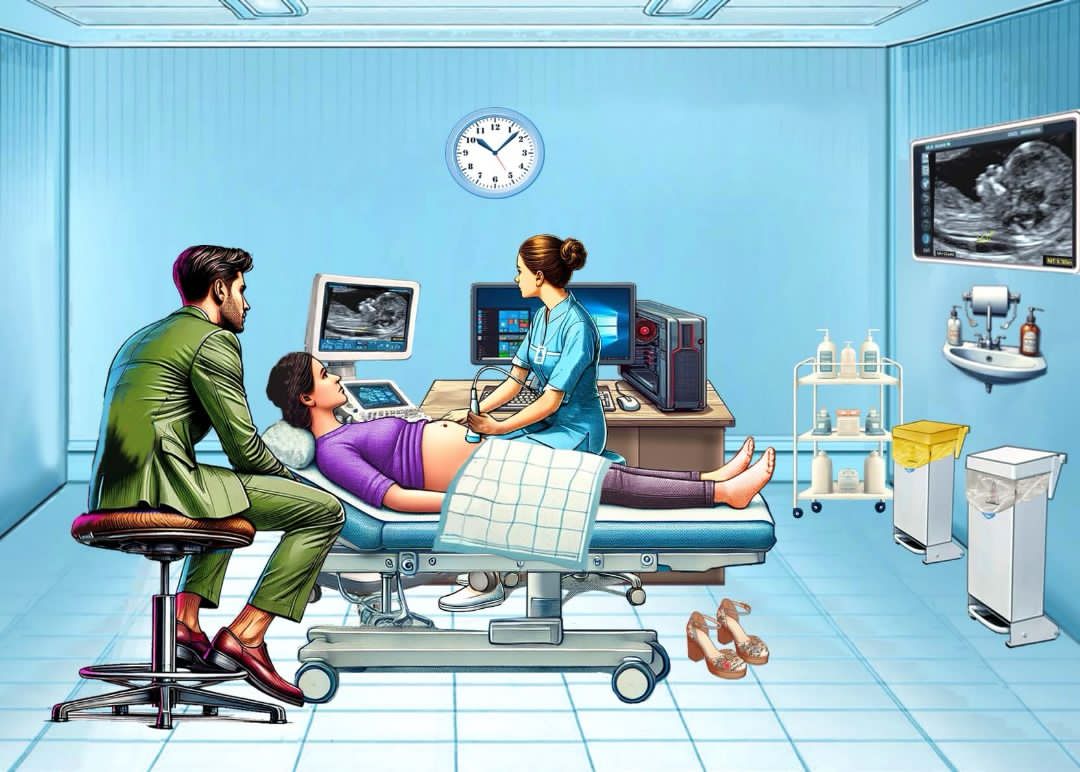
This course explores the critical role of ultrasound imaging in the assessment, diagnosis, and management of post-menopausal patients. Learners will gain a strong understanding of post-menopausal anatomy, common pathologies, sonographic appearances, and clinical decision-making using ultrasound findings. The course emphasizes practical interpretation skills, case-based learning, and best practices for accurate diagnosis.

What Will You Learn?

  • Understand physiological changes associated with menopause.
  • Identify normal post-menopausal pelvic anatomy on ultrasound.
  • Recognize common post-menopausal pathologies.
  • Interpret sonographic features of benign and malignant conditions.
  • Apply ultrasound findings to clinical decision-making.
  • Know when to recommend further imaging or intervention.
  • Improve reporting accuracy and confidence.

Course Content

Role of Ultrasound in the Post Menopausal (PM) Patient
Module 1: Introduction to Post-Menopause and Ultrasound Lesson 1.1: Overview of Menopause and Post-Menopausal Changes Definition of menopause and post-menopause Hormonal changes (estrogen, progesterone) Systemic effects of menopause Reproductive system changes Clinical relevance Lesson 1.2: Importance of Ultrasound in Post-Menopausal Care Why ultrasound is preferred Advantages: non-invasive, affordable, real-time Limitations Comparison with CT, MRI Lesson 1.3: Indications for Pelvic Ultrasound in PM Patients Post-menopausal bleeding Pelvic pain Abdominal distension Incidental findings Follow-up of known pathologies Module 2: Normal Post-Menopausal Pelvic Anatomy on Ultrasound Lesson 2.1: Uterus in the Post-Menopausal Patient Size and shape changes Endometrial thinning Myometrial appearance Cervical changes Lesson 2.2: Ovaries in Post-Menopausal Women Expected size and volume Echotexture Follicular activity (or lack thereof) When ovaries should/shouldn’t be visualized Lesson 2.3: Adnexa and Pelvic Structures Fallopian tubes Pelvic ligaments Bladder and bowel relationships Free fluid Module 3: Post-Menopausal Bleeding and Ultrasound Evaluation Lesson 3.1: Causes of Post-Menopausal Bleeding Endometrial atrophy Polyps Hyperplasia Malignancy Hormonal therapy effects Lesson 3.2: Measuring Endometrial Thickness Technique Normal values Abnormal thresholds Pitfalls Lesson 3.3: Sonographic Patterns of Endometrial Abnormalities Polyps Hyperplasia Carcinoma Submucosal fibroids Module 4: Common Uterine Pathologies in PM Patients Lesson 4.1: Fibroids in Post-Menopause Regression vs persistence Red flags Degenerative changes Lesson 4.2: Endometrial Hyperplasia Types Sonographic features Risk factors Lesson 4.3: Endometrial Carcinoma Risk factors Ultrasound features Doppler findings Staging overview Module 5: Ovarian Pathologies in Post-Menopause Lesson 5.1: Simple vs Complex Ovarian Cysts Definitions Sonographic criteria Follow-up protocols Lesson 5.2: Ovarian Neoplasms Benign vs malignant features IOTA rules (overview) Doppler use Lesson 5.3: Red Flags in Ovarian Ultrasound Solid components Papillary projections Ascites Bilaterality Module 6: Doppler Ultrasound in PM Patients Lesson 6.1: Basics of Doppler in Gynecological Imaging Color Doppler Power Doppler Spectral Doppler Lesson 6.2: Vascular Patterns in Benign vs Malignant Lesions Low resistance flow Neovascularization Chaotic flow patterns Lesson 6.3: Clinical Application of Doppler Findings Module 7: Case Studies and Practical Interpretation Lesson 7.1: Case 1 – Post-Menopausal Bleeding History Images Interpretation Diagnosis Lesson 7.2: Case 2 – Ovarian Mass in PM Patient Lesson 7.3: Case 3 – Incidental Findings Module 8: Reporting, Ethics, and Clinical Decision-Making Lesson 8.1: Writing a Proper Ultrasound Report Structure Terminology Measurements Impression Lesson 8.2: Communicating Critical Findings Lesson 8.3: When to Refer and Escalate Module 9: Quiz & Final Assessment Module quizzes Image-based questions Case interpretation Final exam

Earn a certificate

Add this certificate to your resume to demonstrate your skills & increase your chances of getting noticed.

selected template

Student Ratings & Reviews

5.0
Total 1 Rating
5
1 Rating
4
0 Rating
3
0 Rating
2
0 Rating
1
0 Rating
Clifford Ettah
3 weeks ago
Great!

Want to receive push notifications for all major on-site activities?