




Anomaly Scan for the Sonographer Book 1

£123.00

SKU: mvvw78 Category:

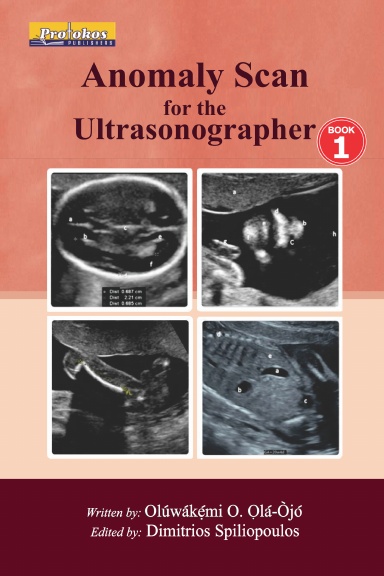
Anomaly Scan for the Ultrasonographer – Book One provides the foundational framework for performing high-quality second-trimester anomaly scans.

This volume is written for sonographers, doctors, midwives, and other healthcare professionals involved in fetal anatomy assessment and prenatal ultrasound. It focuses on the early and core components of the anomaly scan, guiding practitioners through preparation, systematic assessment, and evaluation of key fetal structures.

Book One covers the practical essentials of anomaly scanning, including the scanning environment, safety considerations, and structured assessment of the fetal head, face, thoracic cage, abdomen, pelvis, and spine. Emphasis is placed on accurate image acquisition, recognition of normal and abnormal anatomy, and the development of robust ultrasound reports.

The book encourages practitioners to extend the examination appropriately when initial findings suggest further assessment, while reinforcing the importance of clear documentation and appropriate escalation in line with departmental and national protocols. Designed for both trainees and experienced practitioners, Book One serves as a practical reference to support safe practice, professional accountability, and effective multidisciplinary working in antenatal care.


Description

Anomaly Scan for the Ultrasonographer – Book One provides the foundational framework for performing high-quality second-trimester anomaly scans.

This volume is written for sonographers, doctors, midwives, and other healthcare professionals involved in fetal anatomy assessment and prenatal ultrasound. It focuses on the early and core components of the anomaly scan, guiding practitioners through preparation, systematic assessment, and evaluation of key fetal structures.

Book One covers the practical essentials of anomaly scanning, including the scanning environment, safety considerations, and structured assessment of the fetal head, face, thoracic cage, abdomen, pelvis, and spine. Emphasis is placed on accurate image acquisition, recognition of normal and abnormal anatomy, and the development of robust ultrasound reports.

The book encourages practitioners to extend the examination appropriately when initial findings suggest further assessment, while reinforcing the importance of clear documentation and appropriate escalation in line with departmental and national protocols. Designed for both trainees and experienced practitioners, Book One serves as a practical reference to support safe practice, professional accountability, and effective multidisciplinary working in antenatal care.